Where to stay in Dordogne for a first trip
Compare the best places to stay in Dordogne—Sarlat, the Vézère Valley, river villages, Bergerac and Périgueux—by driving time, evening rhythm and priorities.
Dordogne / Périgord is not a generic countryside stop. It is caves, rivers, medieval villages, bastides, castles, markets, walnuts, truffle, Bergerac wine, and car-led slow travel.
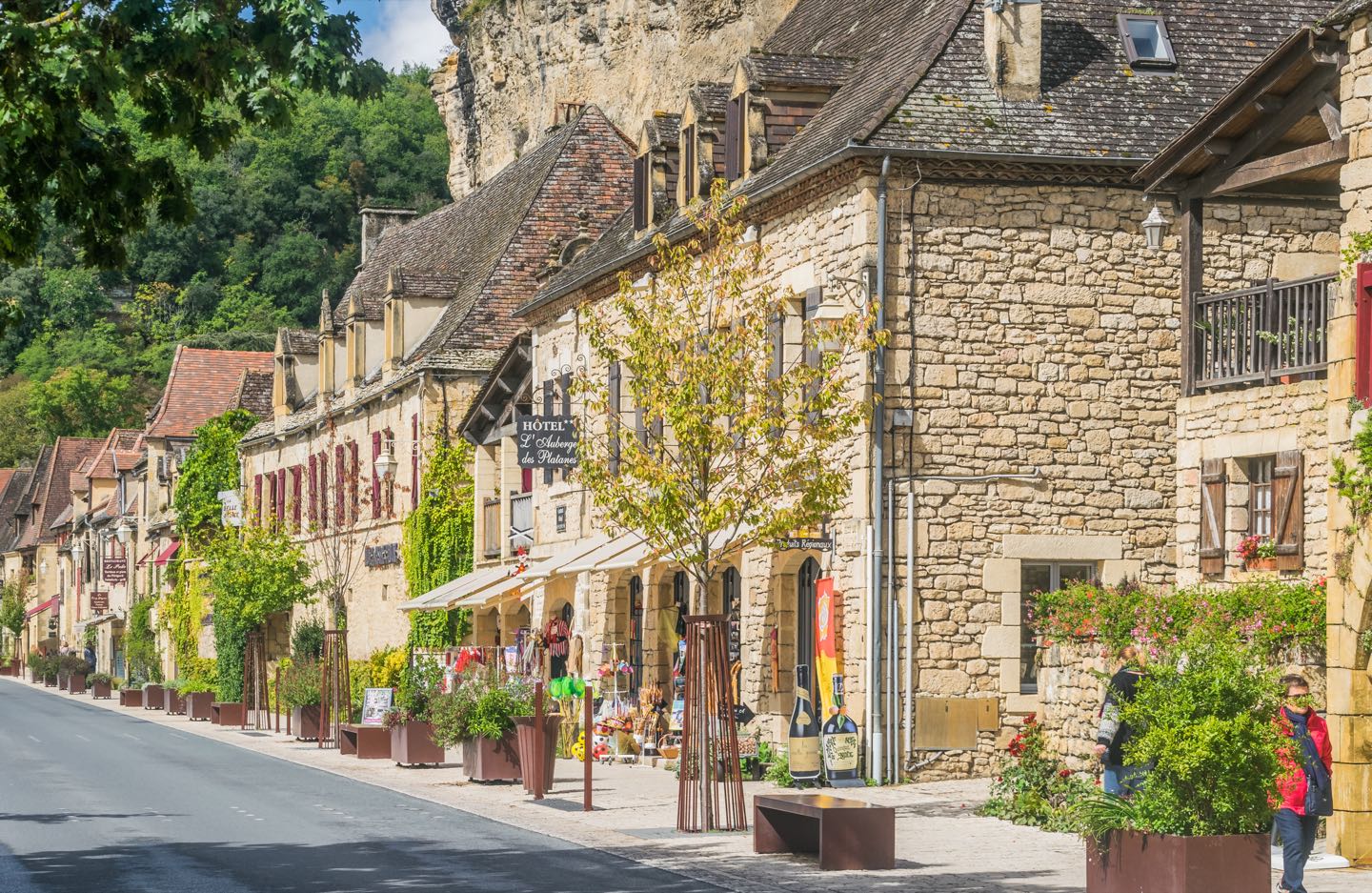
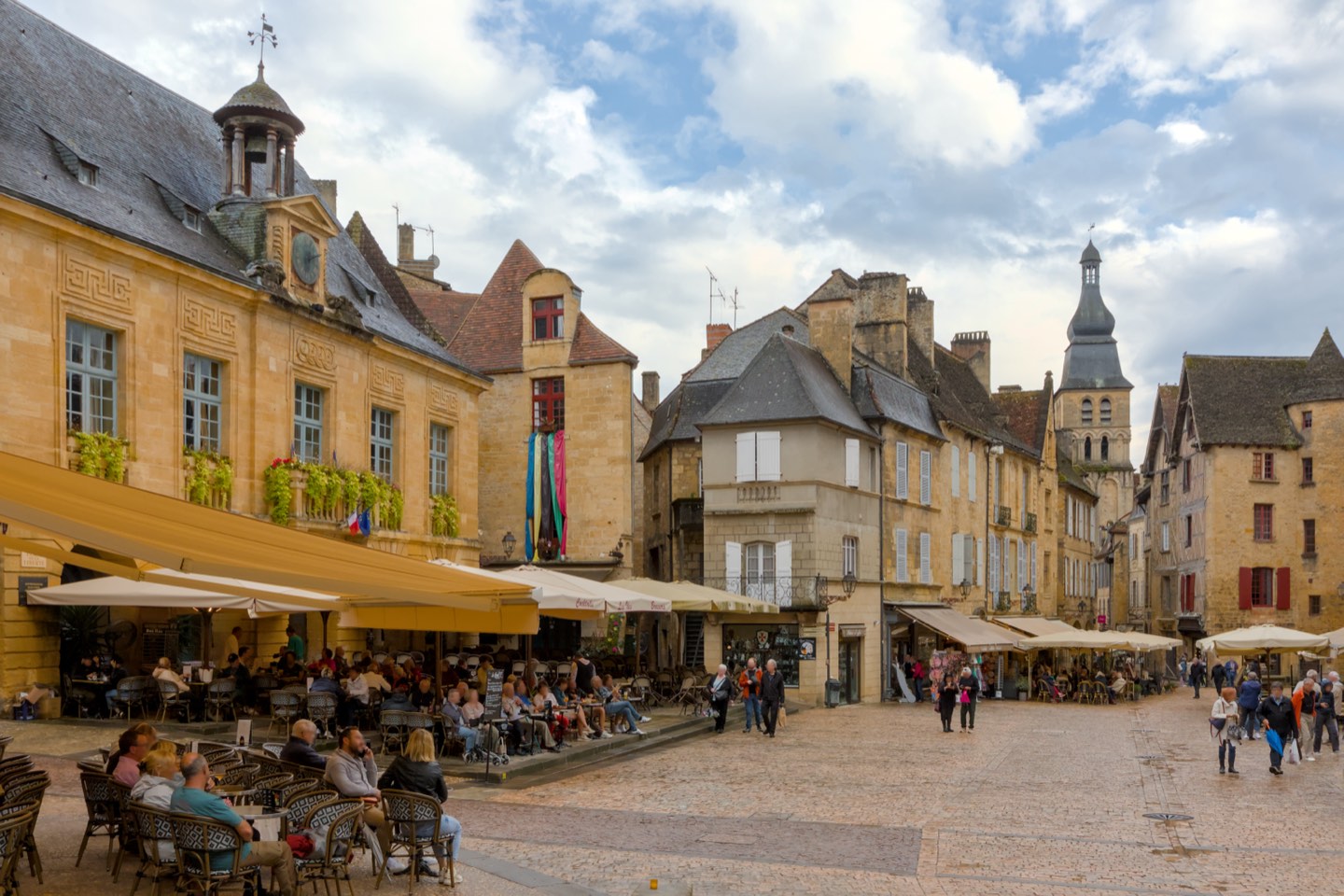
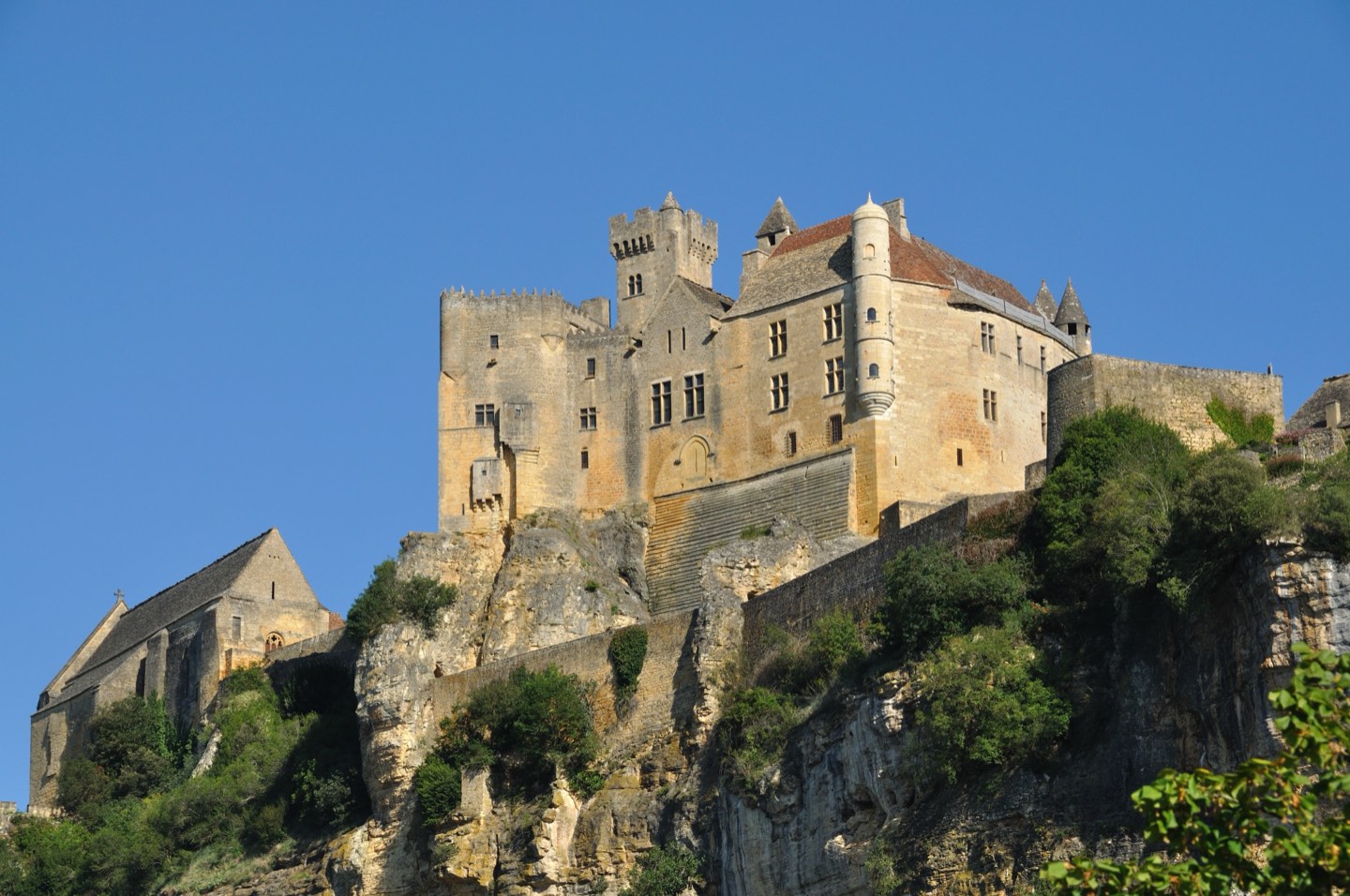
These practical guides connect Sarlat, the Vézère Valley, river villages, caves, castles, food, and wine without turning the region into one long drive.
Compare the best places to stay in Dordogne—Sarlat, the Vézère Valley, river villages, Bergerac and Périgueux—by driving time, evening rhythm and priorities.
Build a first Dordogne itinerary around Sarlat, the Vézère Valley, river villages, and castles with one coherent cluster per day.
Understand the limits of a car-free Dordogne trip and decide whether a central base, planned transfers, guided days, or car hire fits the route.
Group Dordogne's Vézère prehistory, Sarlat, river villages, and castles into realistic geographic clusters instead of a scattered checklist.
Plan Dordogne markets, Périgord walnuts, regional food, and Bergerac wine as part of the route and daily rhythm rather than a shopping list.
Plan the Sarlat Film Festival on 3–7 November 2026: choose a walkable base, check screening languages and leave time for meals and the journey home.
Prehistoric Vézère, stone villages, river castles, markets, food, and wine explain why Dordogne needs slower days and realistic driving.
A cultural Dordogne / Périgord guide to Vézère, Lascaux, prehistory, bastides, castles, villages, rivers, truffle, walnut, Bergerac, and slow travel.
Lascaux IV, Montignac, Les Eyzies, Font-de-Gaume, Les Combarelles, Musée National de Préhistoire, and the Vézère Valley frame Dordogne as a landscape of human beginnings.
Périgueux and Vesunna, Sarlat-la-Canéda, Bergerac, and Brantôme show the shift from Roman and medieval town life into market culture, wine, and everyday France.
Beynac, Castelnaud, La Roque-Gageac, Domme, Milandes, Hautefort, and Biron present Dordogne as a medieval and Renaissance landscape of power.
Monpazier, Eymet, Beaumont-du-Périgord, Issigeac, Saint-Léon-sur-Vézère, Belvès, and Limeuil reveal medieval urban planning, market rhythm, and quiet social life.
Sarlat market, truffles, foie gras, confit de canard, Noix du Périgord PDO, walnut oil, cepe mushrooms, strawberries, Bergerac, Pécharmant, and Monbazillac complete the guide.
Dordogne works best when caves, villages, castles, river days, markets, and meals are sequenced around a realistic base instead of treated as a loose attraction list.
A town-led, slower stay can work. A classic circuit of caves, castles, villages, and rural accommodation needs more deliberate transport planning.