Dordogne without a car: what works and what becomes difficult
Dordogne can support a slower stay without driving, but the classic combination of caves, castles, villages, markets, and river stops is dispersed. The transport decision must come before the accommodation booking.
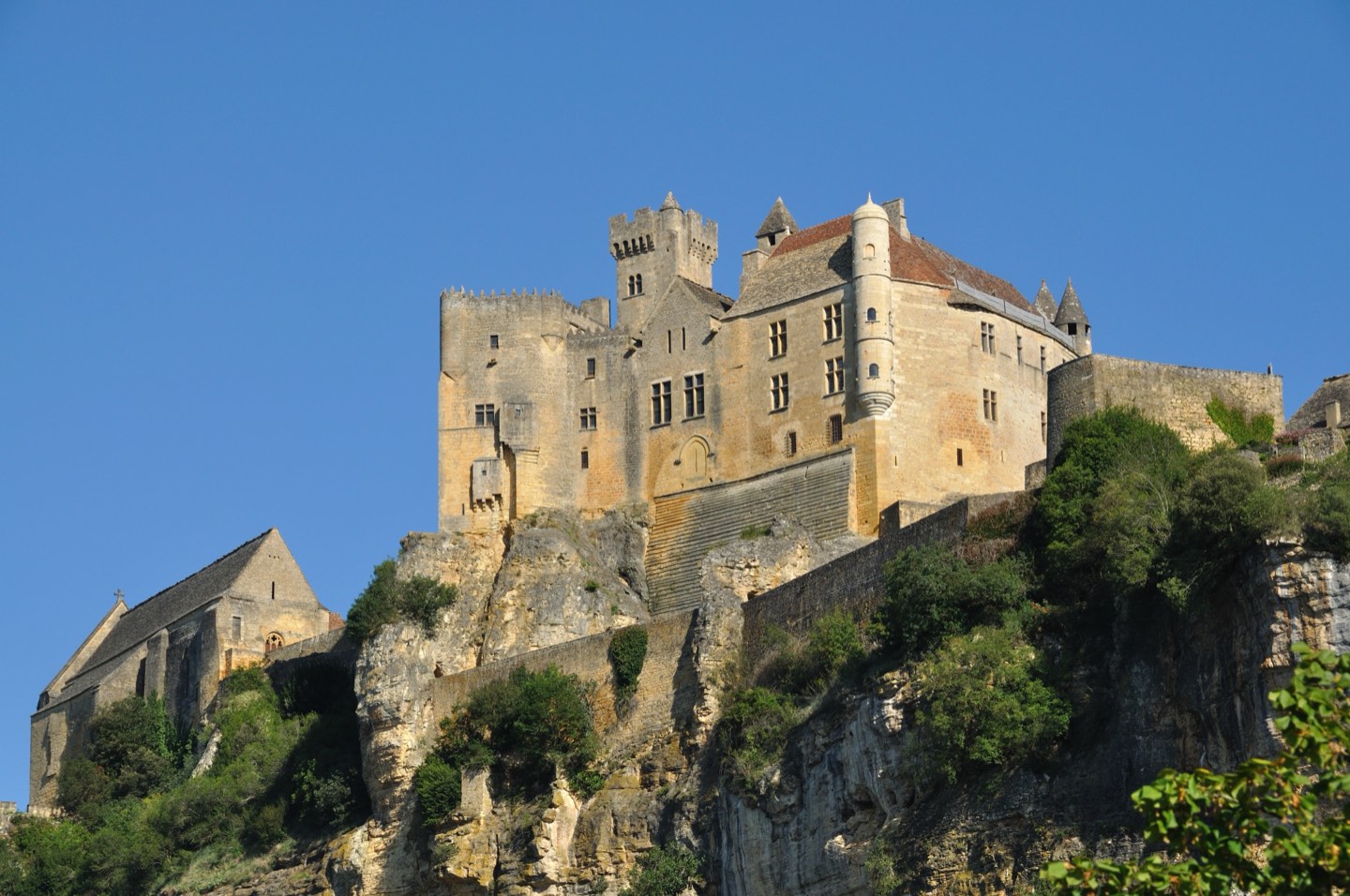
A central town can support a deliberately narrow trip
A stay focused on one town, its market, food, and a small number of pre-arranged outings can work without a car. The plan should value depth and quiet time rather than assume spontaneous movement across Périgord.
The classic rural circuit needs advance transport planning
Caves, river villages, castles, and countryside properties are not one walkable cluster. Check current public transport, transfers, tours, taxi availability, and return arrangements before treating any stop as reachable.
Hire a car only when it solves the actual itinerary
A car adds flexibility for several rural days, but it also brings parking, navigation, narrow roads, and a sober return plan after meals or wine visits. Compare the route with and without it before choosing.
Arrive, sleep and move on the lines that actually run.
These are the rail and coach links that the regional operators publish for the Dordogne. They make a focused car-free trip workable; they do not turn the full rural circuit into a public-transport route.
Come by regional train, or by train to Souillac and coach to Sarlat
- TER line 33 runs direct from Bordeaux Saint-Jean via Libourne and Bergerac to Sarlat, in about 2¼ to 2½ hours.
- TER line 34 links Périgueux with Les Eyzies in about half an hour; some trains continue via Le Buisson to Sarlat.
- From Paris or Toulouse, take a train to Souillac, where year-round regional coach 335 reaches Sarlat station in about 40 minutes.
Sleep in Sarlat, Les Eyzies, Périgueux or Bergerac
- Sarlat: trains on lines 33 and 34, coach 335 to Souillac, and coach 336 to Montignac, Lascaux IV and Périgueux.
- Les Eyzies: on line 34, with the Font-de-Gaume ticket office in the village. Several outlying prehistoric sites are 3–13 km away and need a vehicle; electric bikes can be hired in the village centre.
- Périgueux: the rail hub for Bordeaux, Limoges, Brive and Les Eyzies, plus coach 336 to Lascaux IV and coach 330 to Bergerac.
- Bergerac: line 33 to Bordeaux and Sarlat, and coach 330 to Périgueux.
Use coach 336 for Lascaux IV; plan the river villages separately
- Regional coach 336 runs all year, weekends included, with a Lascaux IV stop about 40 minutes from Sarlat station.
- Summer coaches from Sarlat add Dordogne-valley and Vézère links in July and August only. At other times, plan Beynac, Castelnaud, La Roque-Gageac and Domme as a guided, taxi, bike or car day.
- The national monument sites around Les Eyzies, such as Font-de-Gaume and Combarelles, need an online time slot and close on Saturdays, so keep a Les Eyzies cave day off Saturday.
Checked on 2 October 2026 against the TER Nouvelle-Aquitaine timetables valid to 12 December 2026, the Région Nouvelle-Aquitaine coach timetables and the Centre des monuments nationaux visitor page. Engineering works and new timetables change these links: confirm your date and the last return with the operator before booking.
Common mistakes that weaken a Dordogne trip.
These are planning guardrails. Current openings, cave access, transport, tickets, market days, and route conditions still need an official check.
Booking countryside accommodation and assuming taxis will always be available.
Using straight-line distance as proof that two villages are easy to combine.
Driving after wine tastings or long dinners without a safe return plan.
Keep the Dordogne route connected.
Continue by the decision that remains: base, pacing, transport, geographic clusters, or food and wine.
Where to stay in Dordogne for a first trip
Compare the best places to stay in Dordogne—Sarlat, the Vézère Valley, river villages, Bergerac and Périgueux—by route focus, evenings and car-free access.
A first-trip Dordogne itinerary without rushing the region
Build a first Dordogne itinerary around Sarlat, the Vézère Valley, river villages, and castles with one coherent cluster per day.
How to combine Dordogne caves, villages, castles, and river days
Group Dordogne's Vézère prehistory, Sarlat, river villages, and castles into realistic geographic clusters instead of a scattered checklist.
Check current details with official sources.
Cave entry, castle access, market days, wine visits, transport, and seasonal conditions can change. Use the sources below before fixing timed plans.
- Dordogne Périgord Tourisme: getting around without a carTER lines, regional coaches, summer lines, bikes on trains and station assistance in the Dordogne.
- TER line 33 Bordeaux–Bergerac–Sarlat: timetableCurrent train times, stops and scheduled works between Bordeaux, Bergerac, Le Buisson and Sarlat.
- TER line 34 Périgueux–Agen / Sarlat: timetableCurrent train times, stops and scheduled works between Périgueux, Les Eyzies, Le Buisson, Sarlat and Agen.
- Regional coach 335 Souillac–Sarlat: timetableCoach times between Souillac station and Sarlat, with the connecting Paris and Toulouse trains.
- Regional coach 336 Sarlat–Montignac–Périgueux: timetableCoach times between Sarlat, Montignac, the Lascaux IV stop and Périgueux.
- Regional coaches in the DordogneCoach network map, summer lines, fares, Modalis tickets and on-demand transport.
- Vézère prehistoric sites: visitor informationTimed reservations, arrival, mobility and access for Font-de-Gaume, Combarelles and related sites.
- Lascaux official siteLascaux II, Lascaux IV, visitor access, and cave-art interpretation.
- Sarlat TourismeSarlat-la-Canéda, Périgord Noir, markets, and medieval town context.
- Dordogne Périgord TourismeDestination-level Dordogne and Périgord framing, villages, markets, food, and route context.
- Château de Beynac official siteBeynac castle, medieval defensive position, and current visitor information.
- Château de Castelnaud official siteCastelnaud castle, medieval warfare museum, and current visitor information.
Current checks
Confirm openings, tickets, access rules, transport, and seasonal conditions with the organisation responsible for each place.