Dordogne / Périgord
The land where people painted first, fortified later, and then learned to taste time slowly.
Central reading
Dordogne combines deep time with daily pleasure. In the morning, a traveler can stand before art from 17,000 or 20,000 years ago; by afternoon, the same trip can pass through a medieval market or taste wine beside a river.
Dordogne, historically tied to Périgord, is one of southwestern France's richest cultural landscapes. It is not one destination but a full terrain of rivers, limestone cliffs, prehistoric painted caves, medieval villages, castles, bastides, walnut groves, oak woods, vineyards, markets, and food with near-mythic reputation.
Dordogne tells a very old story: the memory of the Vézère caves, the painted animals of Lascaux, and prehistoric shelters. It then moves through Vesunna, the castles of the Hundred Years' War, fortified towns of Aquitaine, stone villages, and finally the Périgord table: truffle, foie gras, walnut, Bergerac wine, and Monbazillac.
Identity and geography
Dordogne sits in southwestern France in Nouvelle-Aquitaine. The historic name Périgord is still widely used and broadly corresponds to the modern Dordogne department.
As a place type, it is rural, riverine, and historic. It is not one city but a network of small towns and villages: Périgueux, Sarlat-la-Canéda, Bergerac, Les Eyzies, Montignac-Lascaux, Beynac-et-Cazenac, La Roque-Gageac, Domme, Monpazier, Brantôme, and Saint-Léon-sur-Vézère.
Périgord is often divided into four color zones: Périgord Noir, Périgord Blanc, Périgord Pourpre, and Périgord Vert. Black points to the darker woods and Sarlat-Vézère area, white to limestone around Périgueux, purple to Bergerac vineyards, and green to the northern, more wooded and watery Dordogne.
The physical landscape is shaped by the Dordogne, Vézère, Isle, and Dronne rivers, limestone valleys, woods, cultivated hills, walnut trees, vines, small meadows, and cliffs above the water.
Historical arc
Dordogne is one of the world's major landscapes of prehistoric memory. The Vézère valley includes dozens of prehistoric sites and decorated caves, with UNESCO emphasizing the area's exceptional anthropological, ethnological, and aesthetic importance.
The most famous site is Lascaux, discovered in 1940 and central to modern understanding of Paleolithic art. The original cave is protected, while Lascaux II and Lascaux IV allow responsible access through high-precision reproductions.
In the Roman period, today's Périgueux was tied to Vesunna, capital of the Petrocorii. The Vesunna Museum shows that Dordogne is not only caves and castles, but also old Roman provincial life.
In the Middle Ages, Dordogne became a landscape of castles, abbeys, fortified villages, and strategic passages. Its position between French and Anglo-Aquitanian influence made it especially important during the Hundred Years' War.
From the 13th century onward, the region filled with bastides: planned medieval towns with gridded layouts, central market squares, and often fortified gates. Monpazier is one of the clearest examples.
Memory, legend, and tradition
Dordogne has a mythology of depth: caves, prehistoric people, the animal shadows of Lascaux, cliff castles, underground spaces, truffles hidden in the soil, and villages that seem suspended between the Middle Ages and rural France.
Lascaux works almost like a sanctuary of Paleolithic imagination. The painted bulls, horses, deer, and signs are not only archaeological evidence; they are a moment when the traveler realizes that image, ritual, and storytelling long predate written history.
Dordogne castles carry their own medieval mythology: cliffs, sieges, lords, guards, river borders, and shifting authority. Beynac and Castelnaud, almost facing each other across the Dordogne valley, offer the clearest image of that tension.
Occitan tradition also matters. The wider Périgord belongs to the world of Occitan language and culture, with songs, dances, local costume, and the memory of troubadours.
Monuments, architecture, and culture
The core of Dordogne is the prehistory of the Vézère valley. Lascaux, Font-de-Gaume, Les Combarelles, Rouffignac, the shelters around Les Eyzies, and the Musée National de Préhistoire form one of Europe's great prehistoric cultural axes.
Sarlat-la-Canéda is the heart of Périgord Noir and one of France's best-preserved medieval towns. Its lanes, stone facades, squares, hotels particuliers, market, and theatrical old-town feel concentrate much of the region's image.
Périgueux has two major faces: Gallo-Roman and medieval. Vesunna Museum presents ancient Vesunna, while the old town around Saint-Front cathedral gives a different Romanesque-Byzantine impression.
Château de Beynac dominates the Dordogne, while Château de Castelnaud preserves the memory of medieval war. Château des Milandes adds another layer through Joséphine Baker, art, resistance, and the 20th century.
The bastides and stone villages complete the picture: Monpazier, Domme, Eymet, Beaumont, La Roque-Gageac, Saint-Léon-sur-Vézère, and Brantôme show urban planning, markets, river life, stone, and social rhythm.
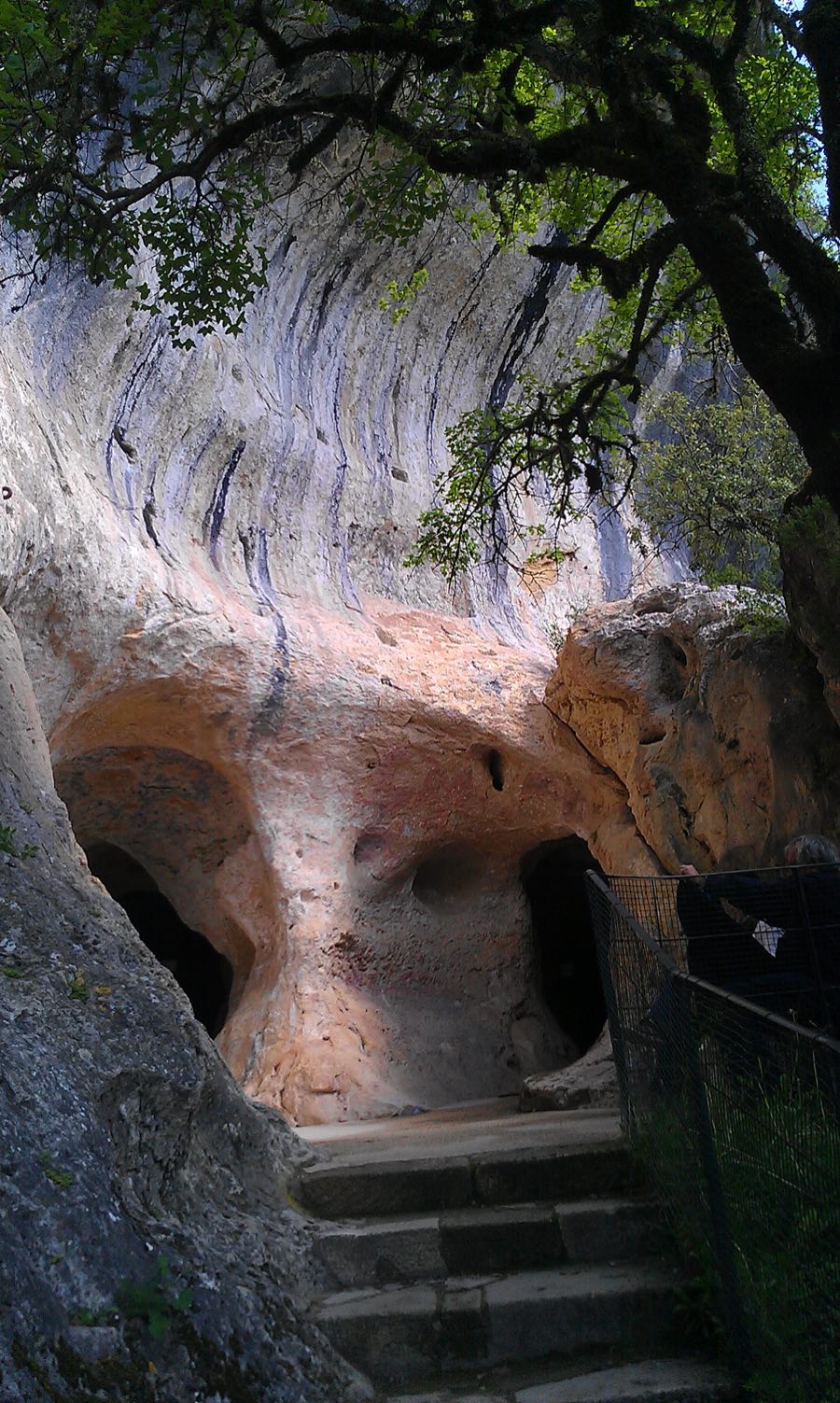
- Lascaux and the Vézère: prehistoric memory of global importance.
- Sarlat: Dordogne condensed into stone, market, and taste.
- Périgueux and Vesunna: Roman province and medieval town.
- Beynac, Castelnaud, and Milandes: castles, power, and modern memory.
- Monpazier and Domme: bastides, views, and market structure.
- La Roque-Gageac, Brantôme, and Saint-Léon-sur-Vézère: villages between river and stone.
Nature and river landscape
Dordogne is one of France's gentler but richest natural regions. The Dordogne river creates valleys with cliffs, villages, castles, riverside woodland, and open bends.
The Vézère feels more enclosed and prehistoric: cliffs, caves, shelters, and small villages. The Dronne and northern Dordogne are greener, wetter, and quieter. The Isle passes through Périgueux and connects urban and river landscape.
Parc naturel régional Périgord-Limousin covers part of northern Périgord and Haute-Vienne, presenting the region as a land of trees and water.
The activities that reveal the landscape best are canoeing or kayaking on the Dordogne or Vézère, walking above the valleys, cycling between villages and vineyards, visiting caves, and moving through walnut and oak woods.
Local culture and way of life
Périgord culture is rural, gastronomic, Occitan, and deeply tied to markets. Daily life grew around villages, markets, rivers, small holdings, woods, vines, and family knowledge.
Food is one of Dordogne's strongest identities. The region is associated with foie gras, duck and goose, confit, magret, walnuts, truffle, cepe mushrooms, chestnuts, strawberries, Bergerac wines, and Monbazillac.
Noix du Périgord has protected designation status, while the region's walnut oil is also recognized under European PDO rules.
In wine, Bergerac and Duras form a distinct world, with AOPs such as Bergerac, Pécharmant, Rosette, Montravel, Monbazillac, Saussignac, and Côtes de Duras.
The way of life is slow and sensory: morning market, bread, coffee, walnuts, cheeses, duck, wine, village walk, canoe on the river, afternoon in a castle, and evening on a small square.
From the Vézère caves to castles and the Périgord table.
This guide reads Dordogne as a layered cultural landscape: prehistory, Roman memory, medieval stone, rivers, and slow food life.
The prehistoric valley
Lascaux IV, Montignac, Les Eyzies, Font-de-Gaume, Les Combarelles, Musée National de Préhistoire, and the Vézère Valley frame Dordogne as a landscape of human beginnings.
Towns of memory
Périgueux and Vesunna, Sarlat-la-Canéda, Bergerac, and Brantôme show the shift from Roman and medieval town life into market culture, wine, and everyday France.
Castles, cliffs, and rivers
Beynac, Castelnaud, La Roque-Gageac, Domme, Milandes, Hautefort, and Biron present Dordogne as a medieval and Renaissance landscape of power.
Bastides and stone villages
Monpazier, Eymet, Beaumont-du-Périgord, Issigeac, Saint-Léon-sur-Vézère, Belvès, and Limeuil reveal medieval urban planning, market rhythm, and quiet social life.
The taste of Périgord
Sarlat market, truffles, foie gras, confit de canard, Noix du Périgord PDO, walnut oil, cepe mushrooms, strawberries, Bergerac, Pécharmant, and Monbazillac complete the guide.
Official sources for the timeless context.
This page is cultural and evergreen. For opening hours, tickets, access, transport, and current details, travelers should verify the official sources.
- National Prehistory Museum: opening hoursSeasonal opening hours, closure days and last admission.
- Vesunna: opening hoursSeasonal opening hours and closure days.
- Vézère prehistoric sites: visitor informationTimed reservations, arrival, mobility and access for Font-de-Gaume, Combarelles and related sites.
- INAO: Huile de noix du Périgord PDOProtected origin and production identity of Périgord walnut oil.
- Dordogne Basin Biosphere Reserve: coordinating authorityRiver-basin conservation, cultural landscape and UNESCO biosphere designation.
- Dordogne Périgord TourismeDestination-level Dordogne and Périgord framing, villages, markets, food, and route context.
- UNESCO World Heritage Centre: Prehistoric Sites and Decorated Caves of the Vézère ValleyWorld Heritage context for the Vézère Valley, decorated caves, and prehistoric significance.
- Lascaux official siteLascaux II, Lascaux IV, visitor access, and cave-art interpretation.
- Musée national de Préhistoire official siteLes Eyzies and national prehistory museum context.
- Vesunna Gallo-Roman MuseumGallo-Roman Vesunna, Petrocorii, and Périgueux historical context.
- Sarlat TourismeSarlat-la-Canéda, Périgord Noir, markets, and medieval town context.
- Château de Beynac official siteBeynac castle, medieval defensive position, and current visitor information.
- Château de Castelnaud official siteCastelnaud castle, medieval warfare museum, and current visitor information.
- Château des Milandes official siteChâteau des Milandes, Joséphine Baker, and current visitor information.
- UNESCO MAB: Dordogne Basin Biosphere ReserveDordogne river basin ecology, biosphere reserve context, and landscape framing.
- Parc naturel régional Périgord-LimousinNorthern Périgord landscape, water, forest, Occitan culture, and rural heritage context.
- Vins de Bergerac et DurasBergerac, Duras, Monbazillac, appellations, terroirs, and wine-culture context.
- INAO: Noix du Périgord PDONoix du Périgord PDO, walnut varieties and product identity.
Continue with the practical Dordogne guides
Choose the base, pace a first trip, test the no-car limits, or group caves, castles, villages, markets, and river days with the practical pages.